



Skip to content
ByteScaffold
Shopware Development

Shopware Development Agency

We build and extend Shopware 6 stores for merchants who've outgrown a template theme and a handful of marketplace plugins. Custom storefronts, bespoke plugins, headless frontends, and ERP/PIM integrations — done by developers who work in Shopware every week, not occasionally.

Four senior engineers reviewing an ecommerce storefront on dual ultrawide monitors in a navy-lit studio
specialist areas
6
engineering team
Senior-only
architecture
Plugin-first
quotes
Fixed scope
Laptop and studio monitor showing a premium fashion ecommerce storefront on a marble desk

Overview

What Shopware development actually involves

"Shopware development" covers a wider range of work than most merchants expect going in. At the broad end it's Shopware 6 development in general — standing up a new storefront, configuring sales channels, wiring up payment and shipping methods, and getting a store from empty install to production-ready. That's the entry point for most projects, and it's where a lot of stores can stop: Shopware's admin and box-product configuration cover more ground than Magento's ever did.

Past that baseline, most stores that call us are past what configuration alone can do. That's custom Shopware development — bespoke checkout logic, non-standard pricing rules, unusual B2B workflows, or catalog structures the standard data model wasn't built for. It's also where Shopware plugin development lives: rather than patching core files, we write plugins that hook into Shopware's plugin system so custom logic survives a core or Store extension update instead of breaking on the next one. If you've read our plugin development guide, cluster pages here are the shorter, service-focused version of that — what we build, not how the plugin system works internally.

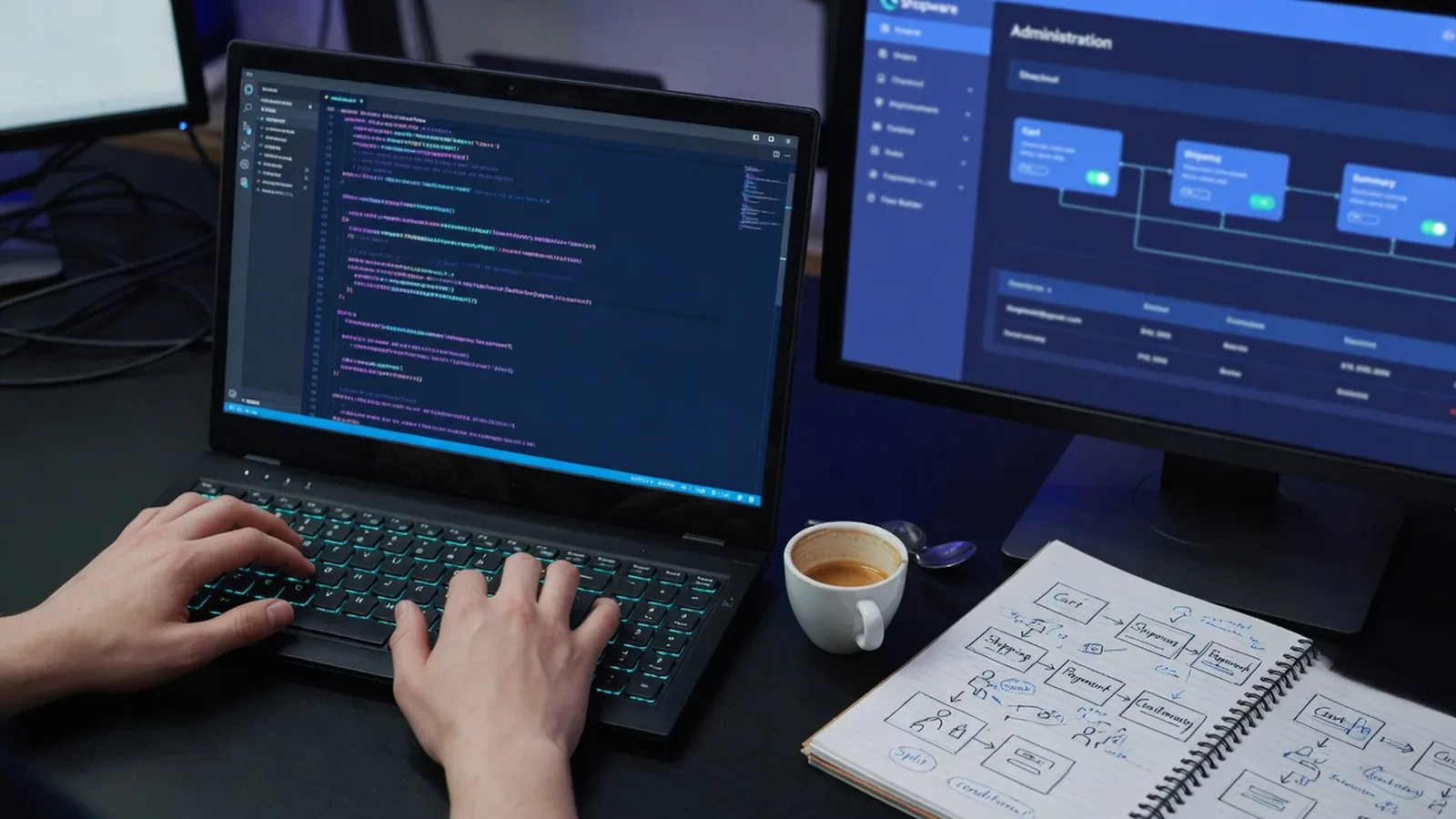
Developer writing custom store logic on a dark IDE with checkout-flow sketches on a notebook beside the keyboard

Then there's presentation and delivery. Shopware theme development covers building or restyling the storefront itself on Shopware's Twig/SCSS stack — brand-accurate, fast, and maintainable rather than a copy-pasted theme with !important overrides. Headless Shopware development is the other delivery model: Shopware's Store API decoupled from the Twig storefront entirely, serving a custom React/Next.js or Vue Storefront frontend when a brand needs layouts or interactions the server-rendered storefront can't do cleanly.

Underneath all of that sits Shopware API integration — connecting the shop to whatever already runs the business: an ERP for stock and orders, a PIM for product data, a CRM for customer records, plus payment and shipping providers that aren't already covered by a Store plugin. Most Shopware projects touch at least two or three of these six areas at once — a headless rebuild usually needs custom plugins and API integrations alongside it, not instead of it. We scope the actual mix upfront rather than quoting a generic "Shopware project" rate.

Developer writing custom store logic on a dark IDE with checkout-flow sketches on a notebook beside the keyboard

What counts as custom Shopware development

Custom Shopware development means code written for your store specifically — a plugin, a theme, an integration — rather than a marketplace extension installed as-is. It's the work that starts once the box product's rule builder, B2B Suite, and standard sales channels stop covering what the business actually needs to do.

That line moves depending on the merchant. A store with a simple catalog and standard checkout might never need custom code at all. A B2B distributor with tiered contracts and ERP-driven stock rules usually needs several plugins before launch, not one.

We draw that line explicitly during scoping rather than assuming custom work is required. If Shopware's configuration options already solve your problem, we say so — building custom code you don't need just adds a maintenance bill down the line.

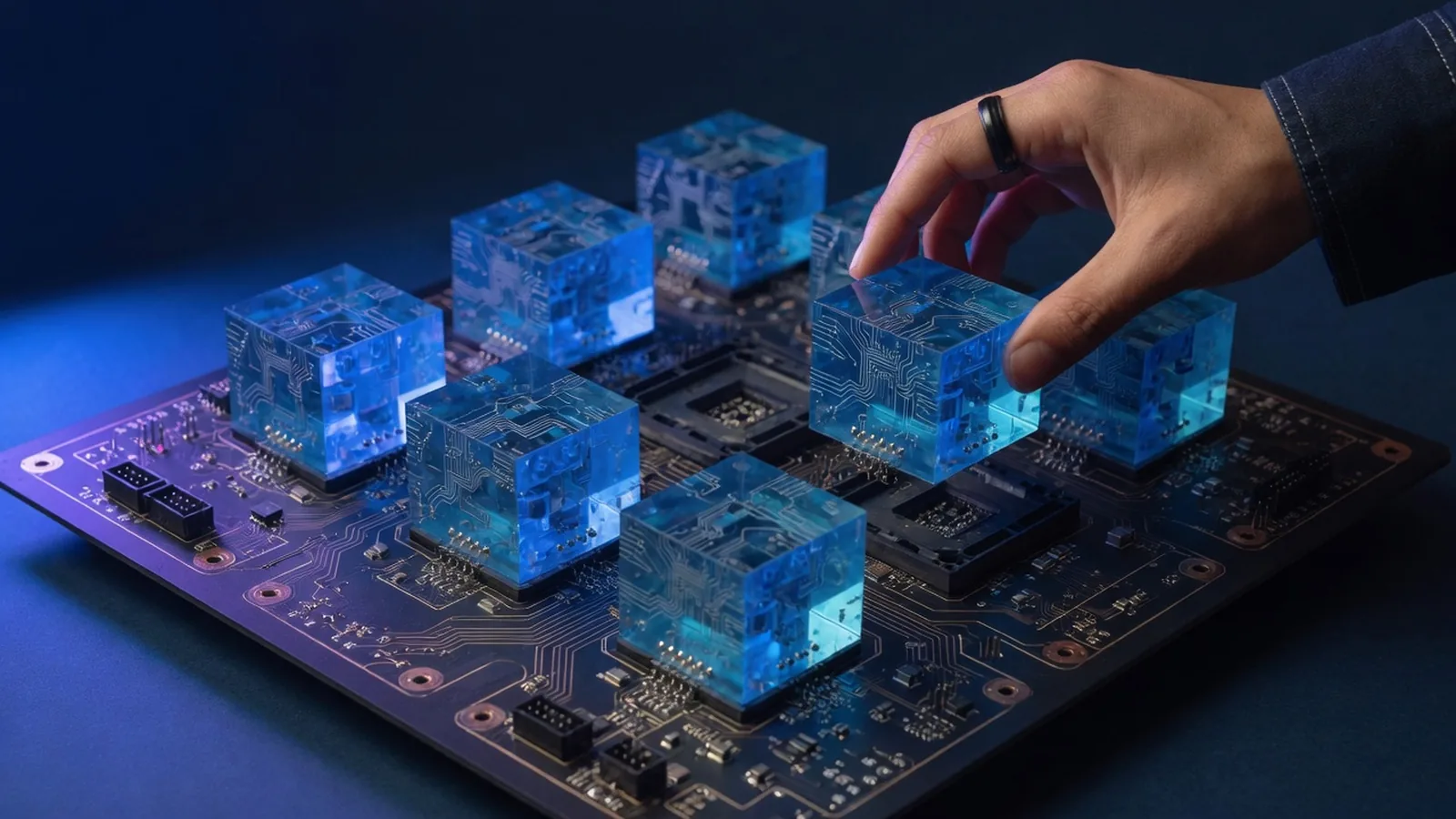
Hand placing a glowing blue acrylic module onto a circuit board, illustrating a plugin architecture

How we scope a Shopware build

Every project starts with a discovery call covering catalog size, integrations, and which of the six areas above actually apply — not a generic day-rate estimate. Most builds touch two or three areas, not all six, and scope reflects that.

From there we write a fixed scope covering what gets built, what stays out, and a realistic timeline based on your catalog and integration count, not a template project plan. Vague requirements get clarified before a contract, not during development.

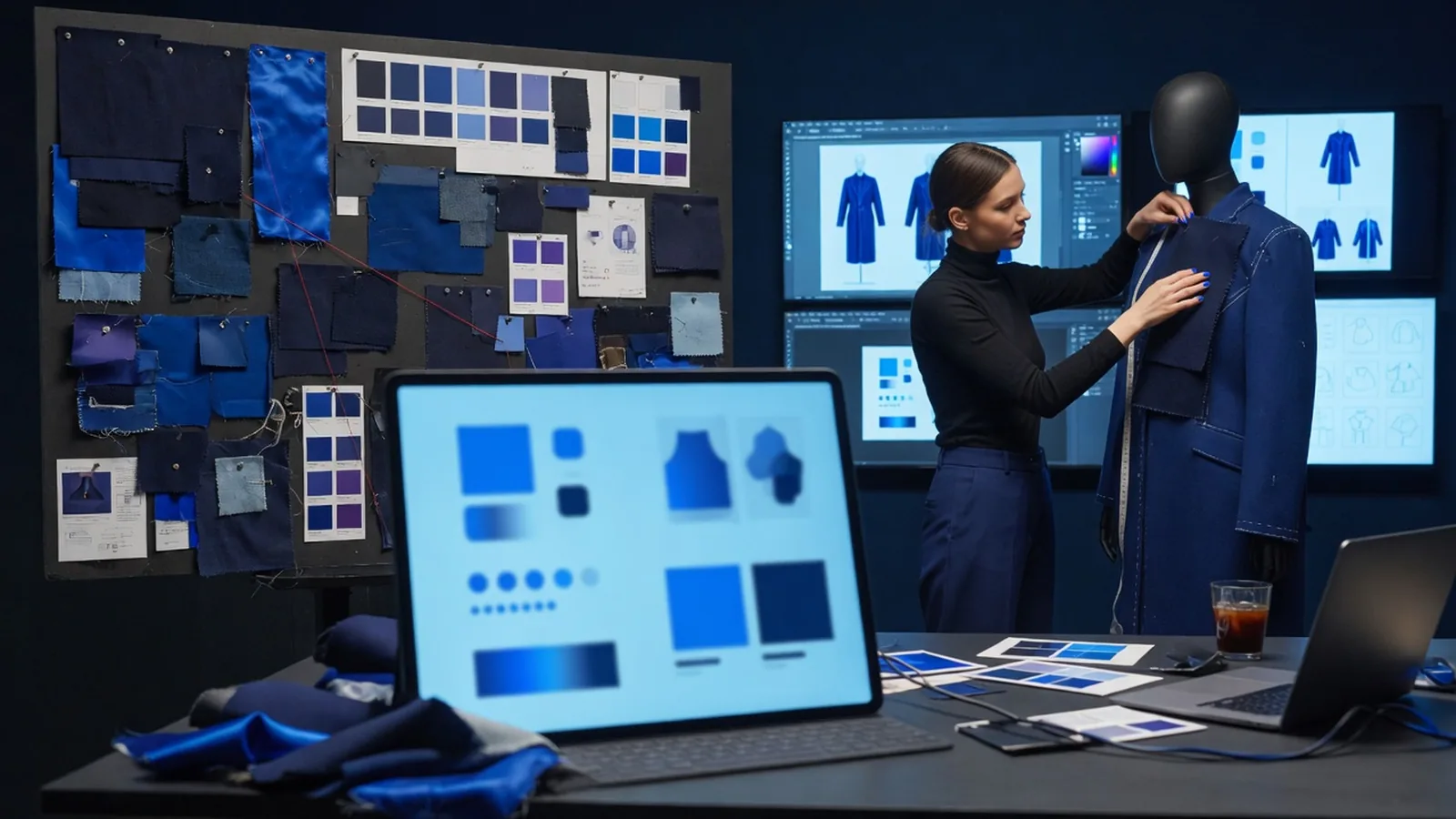
Designer matching navy fabric swatches to a mannequin beside a tablet showing an abstract storefront theme

Shopware development vs. buying a template

A marketplace theme or plugin bundle is the fastest path to a working store, and it's the right call for plenty of merchants. The tradeoff is that you're working inside someone else's design and data decisions, not yours.

Custom development earns its cost once those decisions actively conflict with how your business runs — a catalog structure the template can't represent, a checkout flow it can't do, a brand a stock theme can't express. Below that threshold, configuration is usually the better spend.

Backend server connected by a constellation of blue nodes to a phone, laptop, and kiosk showing the same catalog

Where migrations fit into Shopware development

A meaningful share of Shopware development work is migration-driven — stores moving off Magento 1, WooCommerce, or a legacy platform that's reached its limit. The development work is the same six areas above; the difference is data comes from somewhere else, not a blank install.

Migrated data is where projects usually go wrong, not the new build itself. Field mismatches between platforms get lost in a blind import, so we map catalog, customer, and order data explicitly before anything moves rather than trusting an automated tool to get it right.

Why us

Why work with us on shopware development

Developer writing custom store logic on a dark IDE with checkout-flow sketches on a notebook beside the keyboard

Senior engineers only

Every Shopware project is staffed with developers who work in Shopware weekly, not a junior bench learning on your build. No handoff to someone who's never opened the plugin system.

Plugins built to survive core updates

We build against Shopware's public plugin APIs, not core file overrides, so a platform update doesn't silently break your custom logic on the next release.

We say no to unnecessary custom work

If the box product, B2B Suite, or a Store plugin already covers your requirement, we configure it instead of billing for custom code you don't need.

One person owns your project

A single point of contact runs your build end to end, so you're not re-explaining context to a different developer every sprint.

Honest takeover audits

Inheriting a store built elsewhere gets an upfront audit of the existing plugins and theme, so you know what's solid and what needs rework before we touch anything.

FAQ

Questions about shopware development

There's no single number, because "Shopware development" spans a config-only storefront and a headless rebuild with three ERP integrations. A straightforward store launch is usually a few weeks of work; a custom B2B build with plugins and API integrations runs longer. We scope your specific mix of the six areas above on a call and give you a real estimate, not a placeholder range.

Ready to talk about shopware development?

Tell us about your project — we'll reply within one business day with next steps.