
Skip to content
ByteScaffold
Shopware Development

Headless Shopware Development

Decoupled Shopware 6 builds on the Store API — custom React/Next.js or Vue Storefront frontends when the standard Twig storefront can't do what the design needs.

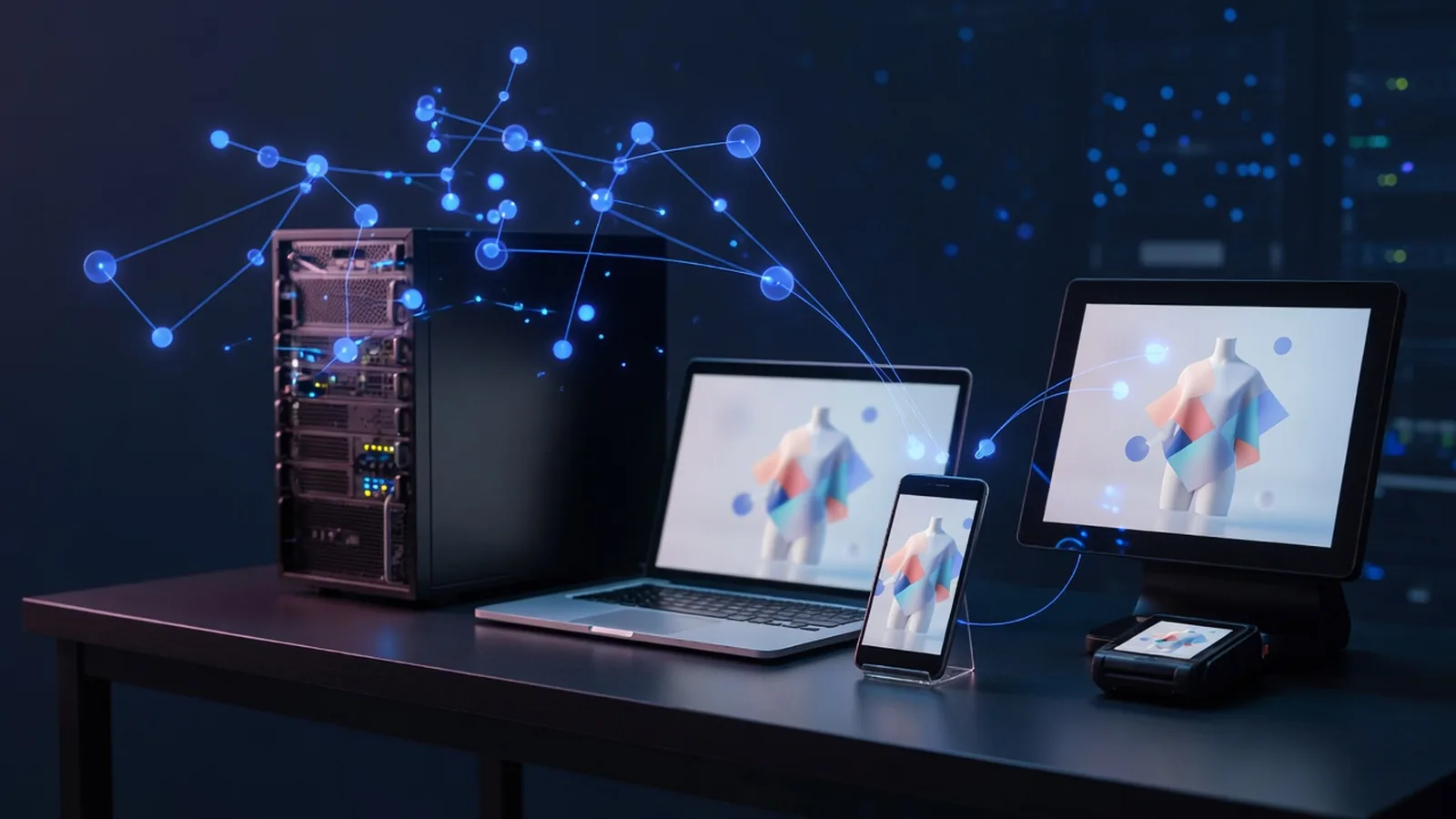
Backend server connected by a constellation of blue nodes to a phone, laptop, and kiosk showing the same catalog
Laptop and studio monitor showing a premium fashion ecommerce storefront on a marble desk

What the Store API actually exposes

Shopware's Store API exposes product, category, cart, and checkout data over a REST/GraphQL-style interface, decoupled from the Twig storefront entirely. A headless frontend calls this API directly, while Shopware Admin stays the backend of record for catalog, inventory, and orders.

That split means checkout logic, pricing rules, and order processing still run inside Shopware — the frontend is a presentation layer, not a reimplementation of commerce logic. Getting that boundary right is most of what makes a headless build maintainable long-term.
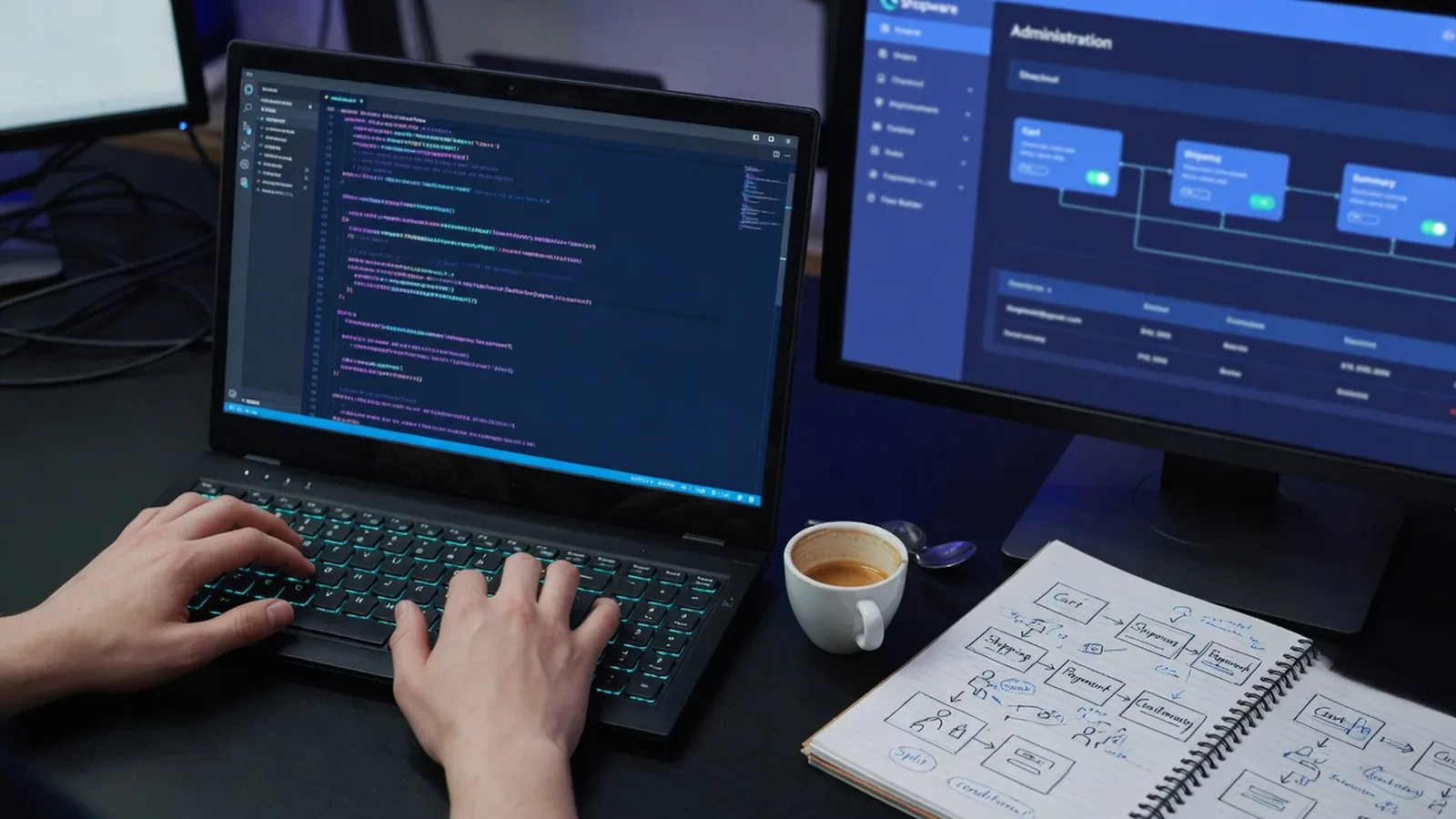
Developer writing custom store logic on a dark IDE with checkout-flow sketches on a notebook beside the keyboard

React/Next.js versus Vue Storefront

Vue Storefront is a pre-built headless framework for Shopware — faster to get moving if your team is comfortable with its conventions and the design doesn't need heavily custom UX. It trades some flexibility for speed.

A custom Next.js build against the Store API costs more upfront but gives full control over layout, interactions, and SSR/ISR strategy. We recommend based on your design requirements and in-house frontend skillset, not a default preference for either.

What's included

Shopware Store API integration for product, cart, and checkout data
Custom React / Next.js storefronts on the Shopware backend
Vue Storefront implementations for teams standardizing on it
Shopware Admin used as the single source of truth for catalog and orders
Preview/staging environments decoupled from the live storefront
Performance and SEO work specific to a decoupled frontend (SSR/ISR)
How we work

How a headless shopware development project runs

01

Discover

Confirm headless is actually the right call — it adds a frontend to build and maintain, so we check the design/requirements genuinely need it.

02

Build

Frontend built against the Store API, with Shopware Admin still handling catalog, orders, and customers.

03

Integrate & test

Cart, checkout, and account flows tested end to end since headless checkout has more moving pieces than server-rendered.

04

Launch

Deployed with SSR/ISR configured for SEO parity against a traditional storefront, not just client-side rendering.

Why us

Why work with us on headless shopware development

Laptop and studio monitor showing a premium fashion ecommerce storefront on a marble desk

SEO parity built in, not bolted on

SSR or incremental static regeneration is configured from the start so a headless storefront doesn't lose search visibility compared to a server-rendered one.

Admin stays the source of truth

Catalog, inventory, and orders stay in Shopware Admin — the frontend calls the Store API rather than duplicating commerce logic client-side.

We'll talk you out of headless if you don't need it

Headless adds a frontend to build and maintain long-term. If a custom theme meets your requirements, we say so instead of selling the bigger build.

Checkout tested end to end

Cart, checkout, and account flows get tested as full user journeys, since headless checkout has more moving pieces than a server-rendered storefront.

FAQ

Questions about headless shopware development

Most stores don't need it. Headless earns its cost when you need layouts, interactions, or a shared design system across web/app that Twig genuinely can't deliver. If a custom theme covers your requirements, we'll say so rather than sell you a bigger build.

Ready to start your headless shopware development project?

Tell us about your goals — we'll reply within one business day with next steps.