




Skip to content
ByteScaffold
Shopware Services

Shopware Support & Maintenance Agency

Ongoing Shopware support, upgrades, performance, and security work for stores that are already live — retainer-based, senior engineers, no lock-in required.

Support engineer at a standing desk watching wall-sized store-health dashboards in a quiet night operations room
or project
Retainer
takeover ready
Any store
and speed
Security
contracts
No lock-in
Technician replacing a glowing module in a server cage while a storefront kiosk stays lit in the background

Overview

Launching a Shopware store isn't the finish line

A Shopware 6 storefront that shipped clean a year ago doesn't stay that way on its own. Security advisories land every few weeks, third-party plugins fall out of sync with core updates, and the checkout that loaded in 1.2 seconds at launch creeps toward 3 as catalog size, tracking scripts, and unused extensions pile up. None of that shows up on a demo call — it shows up in support tickets and abandoned-cart reports six months later.

That's the gap our Shopware Maintenance & Support work covers: a retainer that gets patches applied, bugs triaged, and monitoring in place before a small issue becomes a Saturday-night outage. Separately, our Shopware Upgrade Services handle the version treadmill specifically — minor releases every few months, majors every year or two — so you're not stuck three versions behind when a plugin vendor finally drops support for your current one.

Engineer aligning a bright new storefront layer on top of stacked translucent version strata

Speed and security get treated as two different problems, on purpose. Shopware Performance Optimization is about page weight, server response time, and checkout friction — the stuff that shows up in conversion rate and Core Web Vitals. Shopware Security & Optimization is about attack surface — patched CVEs, hardened admin access, PCI-relevant configuration — with performance-adjacent cleanup (dead plugins, bloated cron jobs) folded in because insecure and slow often share the same root causes.

And when you just need a second opinion — is this plugin safe to install, is our hosting sized right, should we upgrade now or wait — that's Shopware Consulting: an audit or advisory engagement with no build work attached. We didn't have to build your store to take on any of this. Most of our support clients came to us running someone else's code.

Engineer aligning a bright new storefront layer on top of stacked translucent version strata

Why a live Shopware store needs a technical partner

Shopware ships new minor versions every few months and major versions every year or two, and each one can break a plugin nobody's touched since launch. A store that isn't actively monitored just accumulates that risk quietly, until a routine security patch turns into a broken checkout on a Friday afternoon.

Most teams that build a Shopware store don't keep a Shopware engineer on staff afterward — there's no reason to, until something breaks. A retainer or on-call arrangement exists for exactly that gap: someone who already knows your store's plugin stack and hosting setup before the incident starts.

Performance lab with a stopwatch instrument and a checkout page on a monitor surrounded by motion-blurred product cards

What we look for in a takeover engagement

Before we quote a retainer or a fixed-scope project on a store we didn't build, we run a short audit: plugin inventory, customization quality, hosting configuration, and how current the core version actually is. That tells us what we're inheriting instead of guessing at it.

Some stores are genuinely fine — a previous agency did solid work and the store just needs monitoring. Others have years of unmaintained custom code stacked on an outdated core. We'll tell you which situation you're in before you sign anything, including if a stabilization pass has to come first.

Advisor and merchant reviewing store-architecture printouts at a walnut table against a blue-hour city window

Retainer vs. one-off engagements

A one-off engagement works for a single upgrade, a performance pass, or an audit with a clear start and end. It doesn't make sense to lock into a monthly retainer for work that happens once and is done.

A retainer earns its cost once you're fixing things reactively more than once a quarter, or once downtime actually costs you money. At that point, paying emergency hourly rates for the same fixes usually costs more than a scoped monthly rate would have.

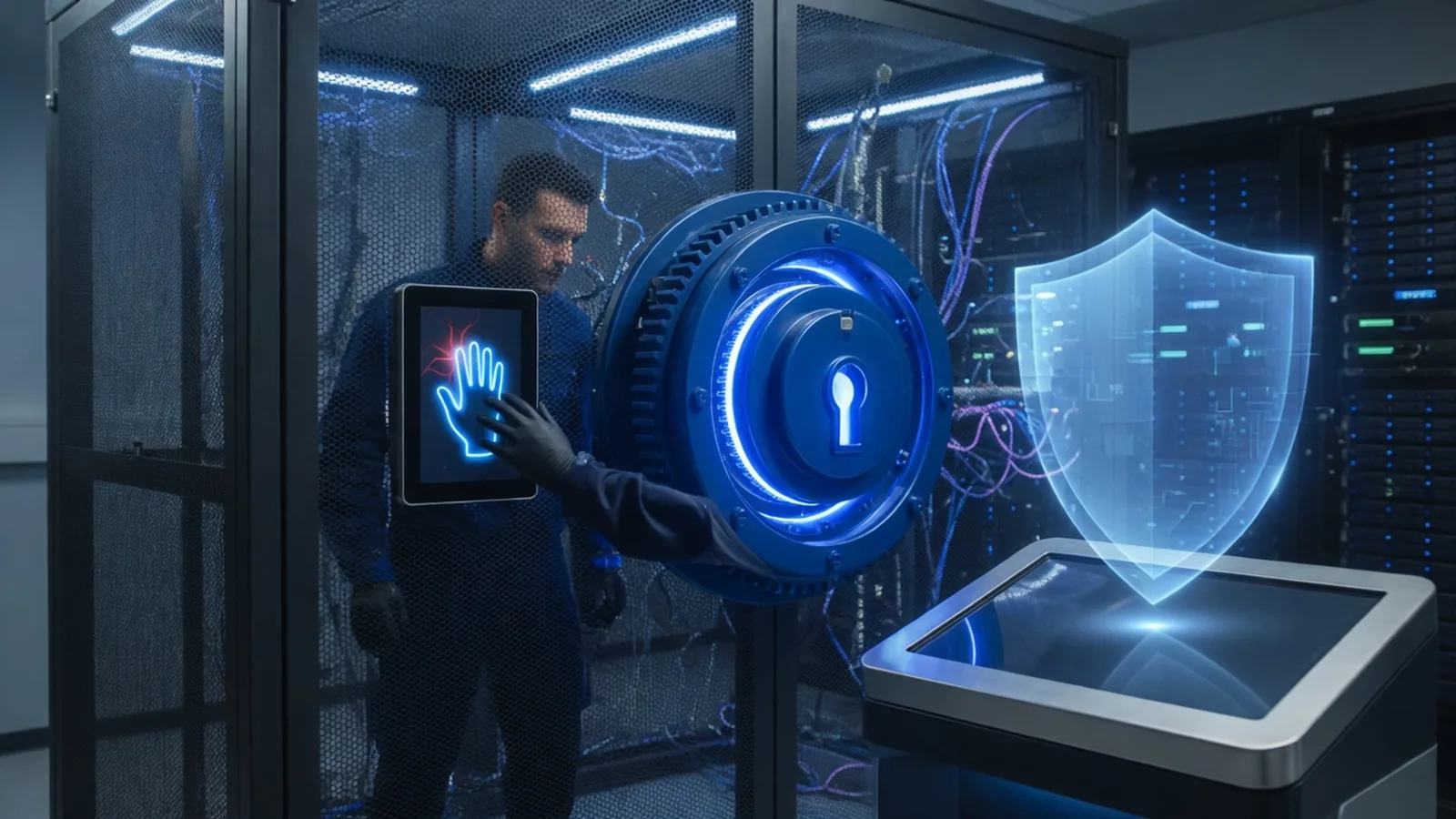
Engineer at a biometric panel beside a vault-like server cage with a cobalt lock mechanism

How the five service lines fit together

Maintenance and Upgrade Services both keep a store current, but on different clocks — maintenance is continuous, upgrades are scheduled events. Performance and Security tackle different failure modes on the same store, and often share root causes like an abandoned plugin nobody removed.

Consulting sits outside all of it — it's the engagement for when you need an answer before committing to any of the other four. None of these require the others; a store can run a security engagement without ever signing a maintenance retainer.

Why us

Why work with us on shopware services

Engineer aligning a bright new storefront layer on top of stacked translucent version strata

We take over stores we didn't build

Most of our support clients came from another agency or an in-house team. We audit first, so a retainer quote reflects what's actually there, not a guess.

Real response SLAs, not vague promises

Same-business-day response on standard tickets, 2-4 hours for store-down issues, in writing before you sign — not a support inbox that just says 'we'll get to it.'

Senior engineers, not a ticket queue

You get a named engineer who knows your store's history, not a rotating queue that re-reads your account notes every time you open a ticket.

Retainers scoped to your store's size

Hours and pricing are sized to your traffic and complexity, not a flat package — a small catalog store shouldn't pay enterprise-tier retainer rates.

Honest scope, no upsell pressure

If your team can handle something in-house, we'll say so. Consulting and audits are priced for the advice itself, not as a funnel into a bigger contract.

FAQ

Questions about shopware services

Yes, most of our support clients came to us that way. We start with a code and infrastructure audit — plugin inventory, customization quality, hosting setup — before quoting a retainer, so we're not guessing at what we're inheriting.

Ready to talk about shopware services?

Tell us about your project — we'll reply within one business day with next steps.